



Bax
BAX (BCL2-associated X protein) is a pro-apoptotic member of the BCL-2 family that regulates programmed cell death through mitochondrial apoptosis and functions as a critical determinant of cellular survival following apoptotic stimuli[1][2]. BAX forms heterodimers with anti-apoptotic BCL-2 proteins, and the balance between BAX and BCL-2 influences mitochondrial outer membrane permeabilization (MOMP), cytochrome c release, and activation of the intrinsic apoptotic pathway[2][3][4]. Mechanistically, BAX belongs to the pore-forming executioner subgroup of the BCL-2 family and undergoes activation in response to cellular stress signals, including p53-dependent apoptotic signaling, thereby promoting mitochondrial membrane permeabilization and irreversible cell death commitment[1][3][5]. In disease models, dysregulated BAX activity contributes to the pathophysiology of cancer, neurodegenerative disorders, and other apoptosis-associated conditions, making mitochondrial apoptosis a major target for therapeutic intervention[3][4][6]. Compared with related BCL-2 family isoforms, BAX is distinguished by its direct executioner function in apoptosis, whereas many alternative BCL-2 family isoforms display variable anti-apoptotic or context-dependent activities that remain incompletely characterized[3]. A notable BAX isoform, BaxΔ2, retains pro-apoptotic activity despite N-terminal alterations, highlighting functional diversity within the BAX locus and providing experimental models for studying non-canonical apoptotic mechanisms[7]. For experimental applications, BAX-dependent signaling is widely used to evaluate mitochondrial apoptosis, while therapeutic strategies targeting BCL-2 family interactions, including BH3 mimetics, are actively investigated to modulate BAX-mediated cell death in cancer research[3][6].
References:
- [1]. Brady HJ, et al. Bax. The pro-apoptotic Bcl-2 family member, Bax. Int J Biochem Cell Biol. 1998 Jun;30(6):647-50. [Content Brief]
- [2]. Bax gene information from NCBI.
- [3]. Warren CFA, et al. BCL-2 family isoforms in apoptosis and cancer. Cell Death Dis. 2019 Feb 21;10(3):177. [Content Brief]
- [4]. Vogler M, et al. The BCL2 family: from apoptosis mechanisms to new advances in targeted therapy. Signal Transduct Target Ther. 2025 Mar 21;10(1):91. [Content Brief]
- [5]. Maes ME, et al. BAX to basics: How the BCL2 gene family controls the death of retinal ganglion cells. Prog Retin Eye Res. 2017 Mar;57:1-25. [Content Brief]
- [6]. Huang Y, et al. The adjuvant treatment role of ω-3 fatty acids by regulating gut microbiota positively in the acne vulgaris. J Dermatolog Treat. 2024 Dec;35(1):2299107. [Content Brief]
- [7]. Rabezanahary H, et al. Live virus neutralizing antibodies against pre and post Omicron strains in food and retail workers in Québec, Canada. Heliyon. 2024 May 21;10(10):e31026. [Content Brief]
-
Bax Related Products (210)
Related Products (210)

-
Antibodies (3)
-
(E)-Ferulic acid
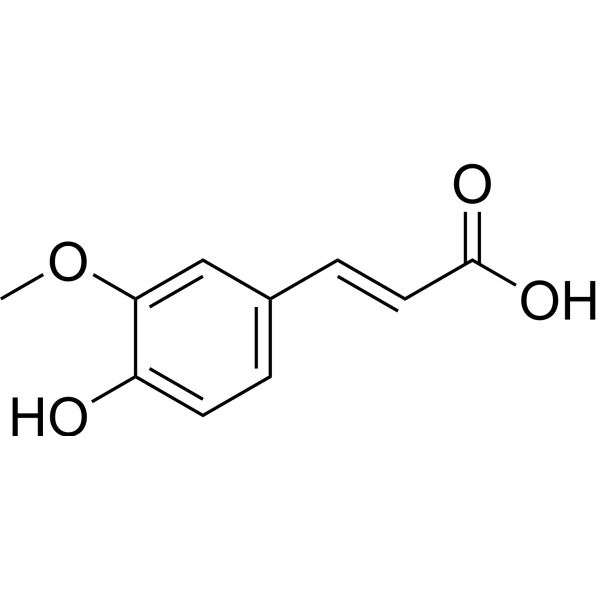 0 Images(E)-Ferulic acid is an isomer of ferulic acid, an aromatic compound abundant in plant cell walls. (E)-Ferulic acid causes phosphorylation of β-catenin (β-catenin), leading to proteasome degradation, increasing the expression of pro-apoptotic factor Bax and reducing pro-apoptotic factor Expression of the survival factor survivin. (E)-Ferulic acid can effectively remove reactive oxygen species (ROS) and inhibit lipid peroxidation. (E)-Ferulic acid exerts antiproliferative and antimigratory effects in the human lung cancer cell line H1299.
-
DEG-77
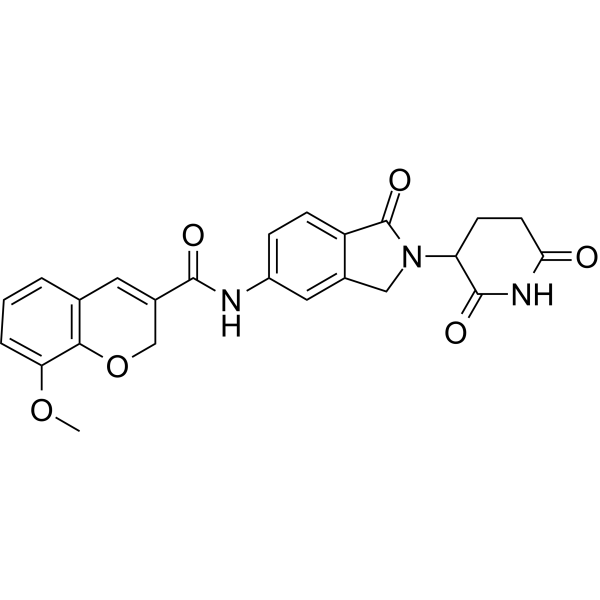 0 ImagesDEG-77 is a molecular glue targeting IKZF2 and CK1α, with DC50 values of 15.3 nM and 10 nM, respectively. DEG-77 exhibits significant anti-tumor activity, inducing increased transcriptional levels of the pro-apoptotic protein Bax and the cell cycle arrest protein p21. DEG-77 is applicable to the research of acute myeloid leukemia (AmL), diffuse large B-cell lymphoma and ovarian cancer.
-
Triclabendazole
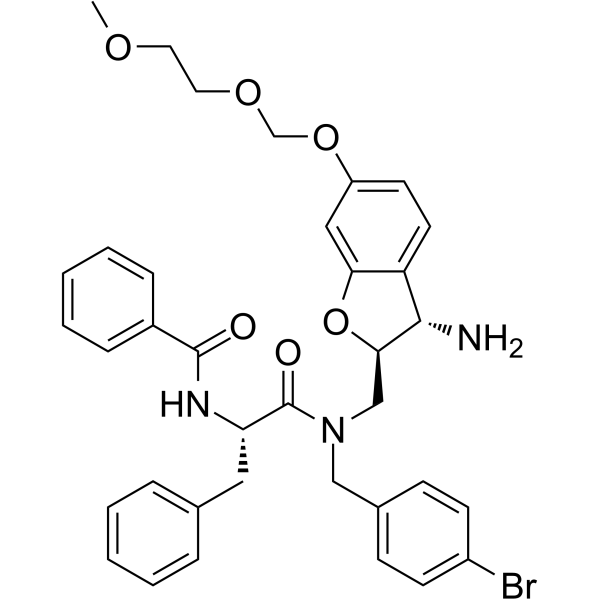
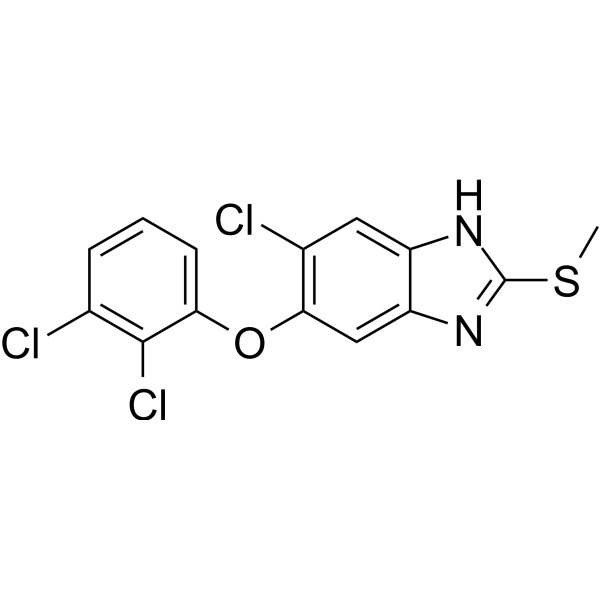 0 ImagesSynonyms: CGA89317Triclabendazole is an orally active parasite inhibitor. Triclabendazole has anti-Leishmania activity and induces gasdermin E (GSDME)-dependent pyroptosis by caspase-3 activation. Triclabendazole can be used for the research of fasciola hepatica.
-
Jaceosidin
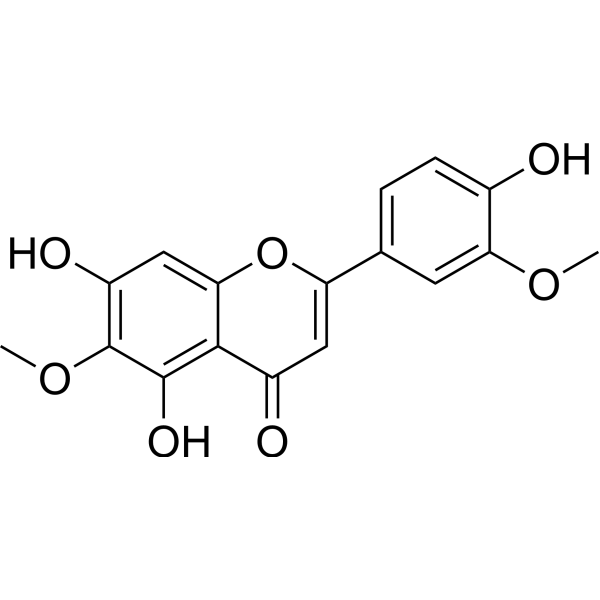 0 ImagesJaceosidin is a flavonoid isolated from Artemisia vestita, induces apoptosis in cancer cells, activates Bax and down-regulates Mcl-1 and c-FLIP expression. Jaceosidin exhibits anti-cancer, anti-inflammatory activities, decreases leves of inflammatory markers, and suppresses COX-2 expression and NF-κB activation.
-
CMIT/MIT (14.5% in water)
 0 ImagesCat. No.: HY-W017982CAS No.: 55965-84-9Synonyms: CMI/MICMIT/MIT (14.5% in water) (CMI/MI) is a mixture of CMIT and MIT, and is also a preservative and skin sensitizer. CMIT/MIT (14.5% in water) increases the levels of phosphorylated ERK1/2, p38, JNK1/2, p53, p21 and Bax, decreases the level of Bcl-2, and activates the Nrf-2/HO-1 signaling pathway. CMIT/MIT (14.5% in water) increases LDH release and lipid peroxidation levels, impairs antioxidant defense capacity, promotes pro-inflammatory cytokine release, induces apoptosis, triggers cell cycle arrest, exhibits neurotoxicity in neuroblastoma cells, and causes dysregulation of Th2/Th17 immune responses. CMIT/MIT (14.5% in water) can be used in studies related to allergy, atopic dermatitis and lung injury.
-
Poly-L-lysine hydrobromide (MW 30000-70000)
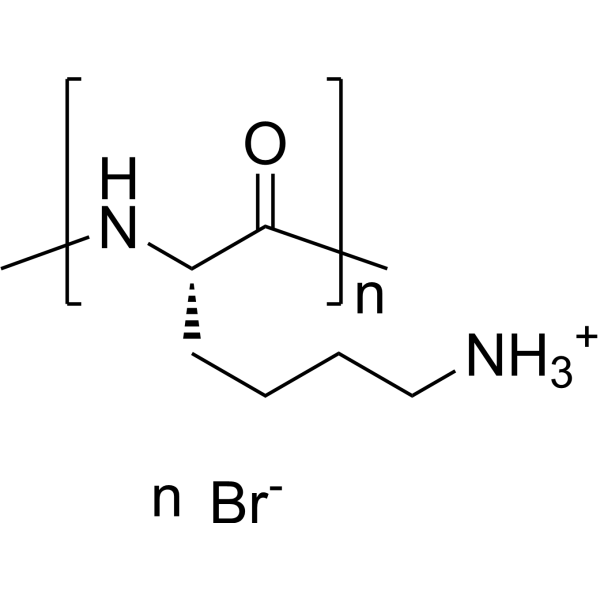 0 ImagesCat. No.: HY-126437CAS No.: 25988-63-0Poly-L-lysine hydrobromide (MW 30000-70000) is a water-soluble synthetic polypeptide. Poly-L-lysine hydrobromide (MW 30000-70000) downregulates Bcl-2 and upregulates Bax and p53 proteins. Poly-L-lysine hydrobromide (MW 30000-70000) promotes Apoptosis and reduces VEGF expression. Poly-L-lysine hydrobromide (MW 30000-70000) shows anticancer activity against a variety of tumors. Poly-L-lysine hydrobromide (MW 30000-70000) can also be used as a coating material.
-
L6H21
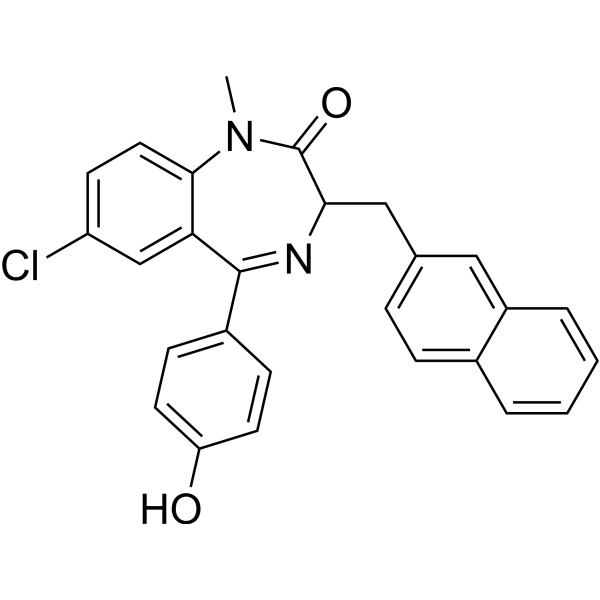
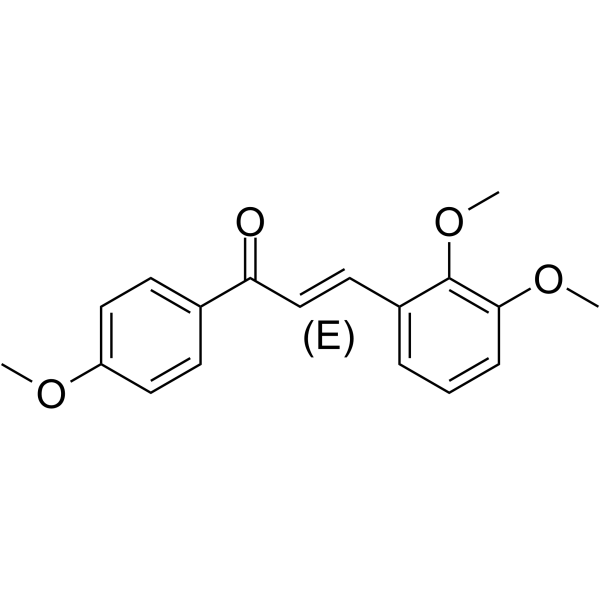 0 ImagesL6H21, a Chalcone (HY-121054) derivative, is an orally active, potent and specific myeloid differentiation 2 (MD-2) inhibitor. L6H21 directly binds to MD-2 protein with a high affinity and low KD value of 33.3 μM, blocking the formation of the LPS-TLR4/MD-2 complex. L6H21 inhibits LPS-induced expression of TNF-α and IL-6 in RAW264.7 macrophages, with IC50 values of 6.58 and 8.59 μM, respectively. L6H21 can be used for alcoholic liver disease, metabolic disturbance and neuroinflammation research.
-
Stem bromelain
 0 ImagesCat. No.: HY-P2970CAS No.: 37189-34-7Stem bromelain (EC 3.4.22.32) is a cysteine protease and antibacterial agent. Stem bromelain can be isolated from the stem of the pineapple (Ananas comosus). Stem bromelain induces dose-dependent secretion of IL-12p70, and IL-6, induces Apoptosis, causes cleavage of full-length PARP protein, Caspase 3, and Caspase 9, increases Bax, and decreases Bcl-2. Stem bromelain possesses various fibrinolytic, antiedema, antithrombotic, and anti-inflammatory activities. Stem bromelain also exhibits in vivo antitumor and antileukemic activities, as well as antimetastatic effects. Stem bromelain has antimycobacterial activity. Stem bromelain provides protection against lead poisoning.
-
Methyl caffeate
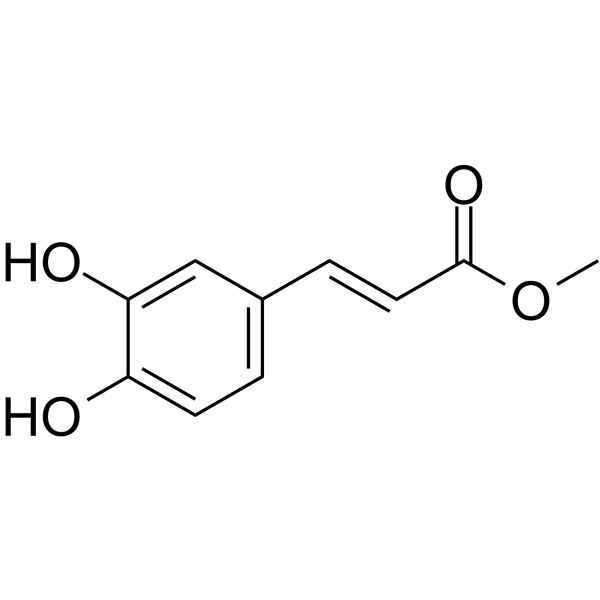 0 ImagesMethyl caffeate is a phenylpropanoid, antibacterial agent, and Apoptosis-inducing agent. Methyl caffeate can be isolated from the flowers of peach Prunus persica (L.). Methyl caffeate upregulates the expression of pro-apoptotic proteins Bid, Bax and p53, and downregulates the expression of anti-apoptotic protein BCL-2. Methyl caffeate downregulates SASP factors. Methyl caffeate enhances glucose-stimulated insulin secretion. Methyl caffeate inhibits the growth of Gram-positive bacteria, Gram-negative bacteria, fungi, and Mycobacterium tuberculosis strains. Methyl caffeate can be used in studies related to breast cancer, type 2 diabetes, and tuberculosis.
-
Nivalenol
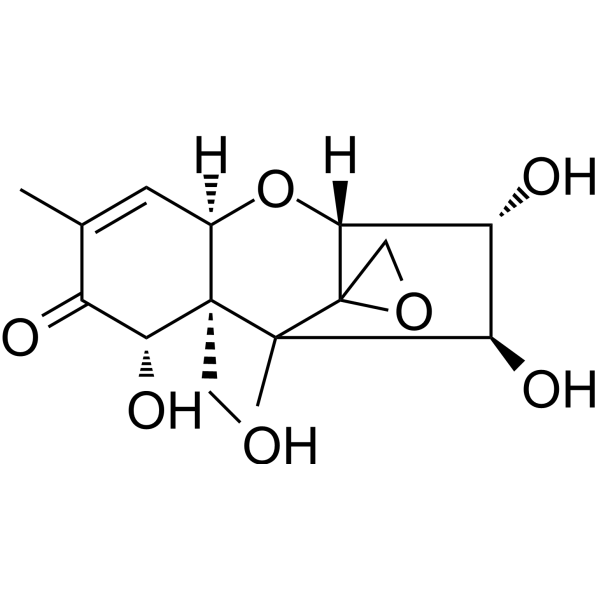 0 ImagesNivalenol, a trichothecene mycotoxin that can be produced by Fusarium graminearum, is a fungal metabolite present in agricultural product. Nivalenol modulates apoptotic pathway, cell cycle regulation, Bax, ERK, caspase-3, and poly-ADP-ribose synthase activity in macrophages. Nivalenol inhibits ribosomal peptidyltransferase site, protein synthesis, DNA synthesis, and cell proliferation. Nivalenol induces late-stage apoptotic morphological changes, reduces cellular metabolism, and decreases cell proliferation in erythroleukemia cells. Nivalenol induces lymphocyte apoptosis in murine thymus, spleen, and Peyer's patches. Nivalenol can be used for the research of erythroleukemia.
-
Vanillyl alcohol
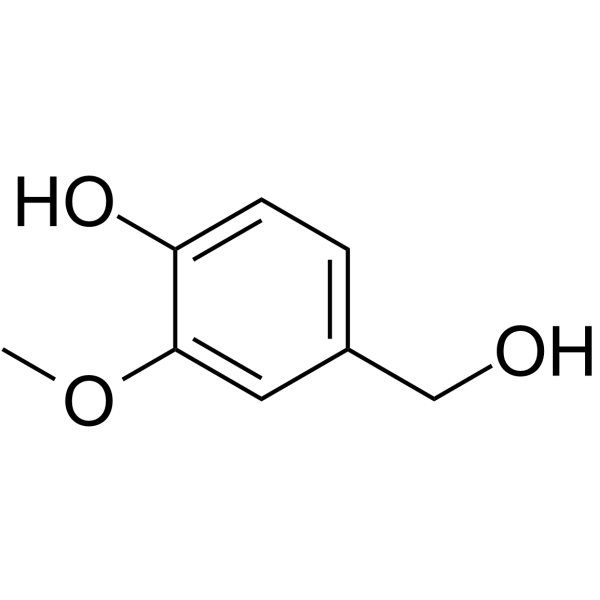 0 ImagesVanillyl alcohol (p-(Hydroxymethyl)guaiacol) is an orally active phenolic alcohol. Vanillyl alcohol reduces ROS generation. suppresses Bax, increases Bcl-2. Vanillyl alcohol has anti-angiogenic, anti-inflammatory, anti-nociceptive and neuroprotective effects. Vanillyl alcohol is used as a flavoring agent in foods and beverages.
-
Difopein TFA
 0 ImagesCat. No.: HY-P1380ADifopein TFA is a 14-3-3 protein inhibitor. Difopein TFA acts as an apoptosis inducer, regulates apoptosis-related proteins, downregulates Bcl-2, upregulates Bax, activates caspase-9 and caspase-3, and induces nuclear fragmentation, membrane-enclosed apoptotic bodies and DNA ladder formation. Difopein TFA serves as a tumor growth inhibitor, which inhibits the proliferation of glioma cells and induces their apoptosis in in vivo nude mouse models. Difopein TFA is applicable to glioma-related research.
-
Indole-3-pyruvic acid (Standard)
 0 ImagesIndole-3-pyruvic acid (Standard) is the analytical standard of Indole-3-pyruvic acid (HY-W028393). This product is intended for research and analytical applications. Indole-3-pyruvic acid is an orally active ketone analog of tryptophan, and is an aryl hydrocarbon receptor (AHR) agonist. Indole-3-pyruvic acid inhibits p38/MAPK phosphorylation, regulates the tryptophan metabolic pathway, and also possesses protective activities against skin photodamage, as well as anti-inflammatory and anti-anxiety bioactivities in the gut. Indole-3-pyruvic acid can downregulate the expression of IL-1β, IL-6, Cox-2, and Bax to alleviate UVB-induced keratinocyte toxicity. Indole-3-pyruvic acid can activate AHR to promote Tr1 cell differentiation, increase IL-10, and inhibit Th1 cytokine production. Indole-3-pyruvic acid can alter the levels of kynurenine metabolites in the brain, mediating central nervous system-related effects. Indole-3-pyruvic acid can be used in research on skin lesions, colitis, and anxiety.
-
Daphnoretin
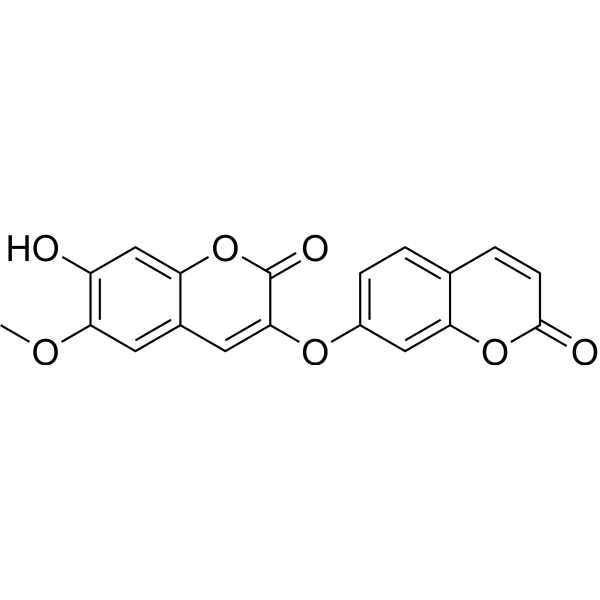 0 ImagesDaphnoretin (Dephnoretin; Thymelol) is a protein kinase C (PKC) activator that inhibits the expression of hepatitis B virus (HBV) surface antigen (HBsAg) and exhibits antiviral activity. Daphnoretin exerts its antitumor effects by inhibiting the activation of the PI3K/AKT signaling pathway and triggers the mitochondrial apoptosis pathway. Daphnoretin alleviates chondrocyte apoptosis and inflammatory responses by inhibiting endoplasmic reticulum stress and activation of the NLRP3 inflammasome. Daphnoretin regulates the differentiation and maturation of dendritic cells, inhibits their immunostimulatory function by downregulating the phosphorylation level of JNK, and thus exerts a protective effect in skin graft rejection.
-
Triptophenolide
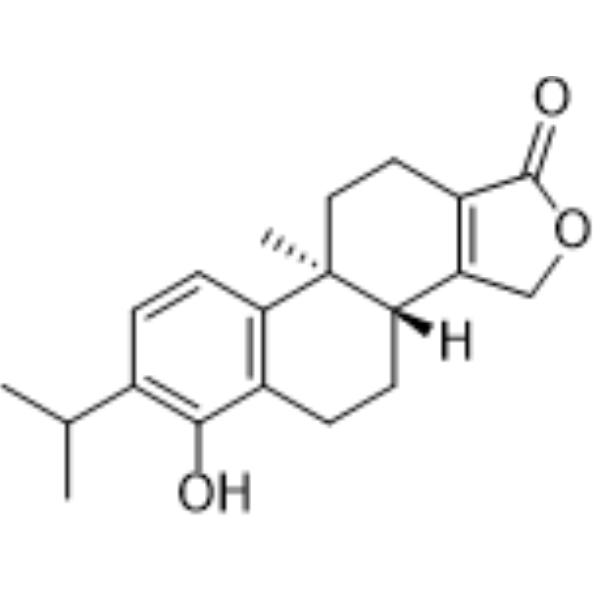 0 ImagesSynonyms: Hypolide; (+)-TriptophenolideTriptophenolide (Hypolide) is a colorless crystal isolated from the ethyl acetate extract of Tripterygium wilfordii. Triptophenolide is an orally active pan‑antagonist of the androgen receptor (AR) with an IC50 of 467 nM against human wild‑type AR. Triptophenolide reduces AR expression, inhibits AR nuclear translocation, downregulates prostate‑specific antigen mRNA levels, and suppresses the growth of AR‑positive prostate cancer cells. Triptophenolide shows anti-tumor effects against breast cancer by inhibiting cell proliferation and migration, inducing G1-phase arrest and apoptosis, repressing xenograft tumor growth. Triptophenolide inhibits pyroptosis, alleviates tissue inflammation, and ameliorates synovial injury. Triptophenolide can be used for the study of prostate cancer, rheumatoid arthritis and breast cancer.
-
SYM 2081
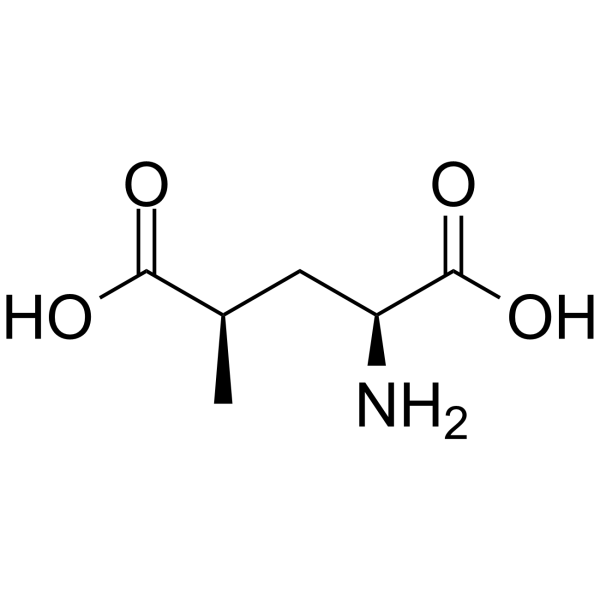 0 ImagesSYM 2081 is a kainate receptor agonist. SYM 2081 is a substrate of EAAT1 (Km of 54 μM). SYM 2081 inhibits EAAT2-mediated glutamate transport (Kb is 3.4 μM in Xenopus oocytes), modulates Apoptotic signaling pathways (increases Bcl-2 and decreases Bax/caspase-3 expression). SYM 2081 exhibits neuroprotective activity. SYM 2081 can be used in the study of hypoxic-ischemic brain damage and inflammatory or neuropathic pain.
-
Kansuinine A
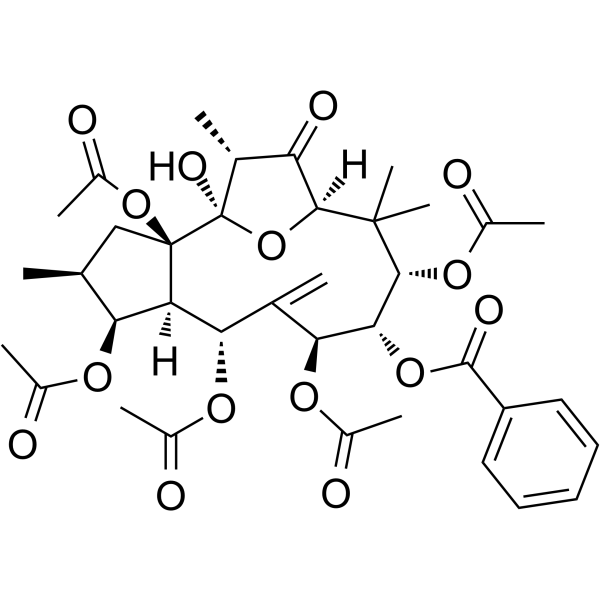 0 ImagesKansuinine A is a diterpenoid compound. Kansuinine A is isolated from the roots of Euphorbia kansui. Kansuinine A inhibits H2O2-mediated upregulation of phosphorylated IKKβ, NF-κB and IκBα. Kansuinine A inhibits ROS production, reduces the Bax/Bcl-2 ratio and the expression of cleaved Caspase-3. Kansuinine A upregulates the expression of SOCS-3 and blocks IL-6-induced signal transduction. Kansuinine A decreases the expression of LOX-1 and inhibits Apoptosis. Kansuinine A reduces the atherosclerotic lesion area of the aortic arch, improves glucose/insulin tolerance, and enhances antioxidant capacity. Kansuinine A exhibits antiviral and antitumor activities. Kansuinine A can be used in research related to atherosclerosis, liver cancer and type 2 diabetes.




